

.avif)




Find out how our users get 10+ sales calls per month from LinkedIn.
Lead nurturing is about building relationships with potential customers until they’re ready to buy. Two key tools stand out: email and LinkedIn. Each offers unique strengths:
- Email is cost-effective, scalable, and great for delivering personalized content like case studies or product demos. It excels in mid-to-late sales funnel stages.
- LinkedIn is ideal for building trust early, leveraging professional profiles, and targeting decision-makers with precision. Personalized messages here see response rates as high as 45%.
The best results come from combining both platforms. Businesses using email and LinkedIn together can boost reply rates by up to 70%, generate 50% more sales-ready leads, and cut costs by 33%.
Quick Comparison
| Feature | Email Marketing | LinkedIn Outreach |
|---|---|---|
| Cost | $10–$20/month | $79.99/month (Sales Navigator) |
| Scalability | High (thousands at once) | Limited (~100 requests/week) |
| Response Rates | 1–10% (cold outreach) | 5–20% (standard); 30–45% (InMail) |
| Best Use | Mid-to-bottom funnel | Top-of-funnel relationship-building |
The key takeaway? Use email for scale and LinkedIn for trust. Together, they create a multi-channel strategy that drives better engagement and conversions.
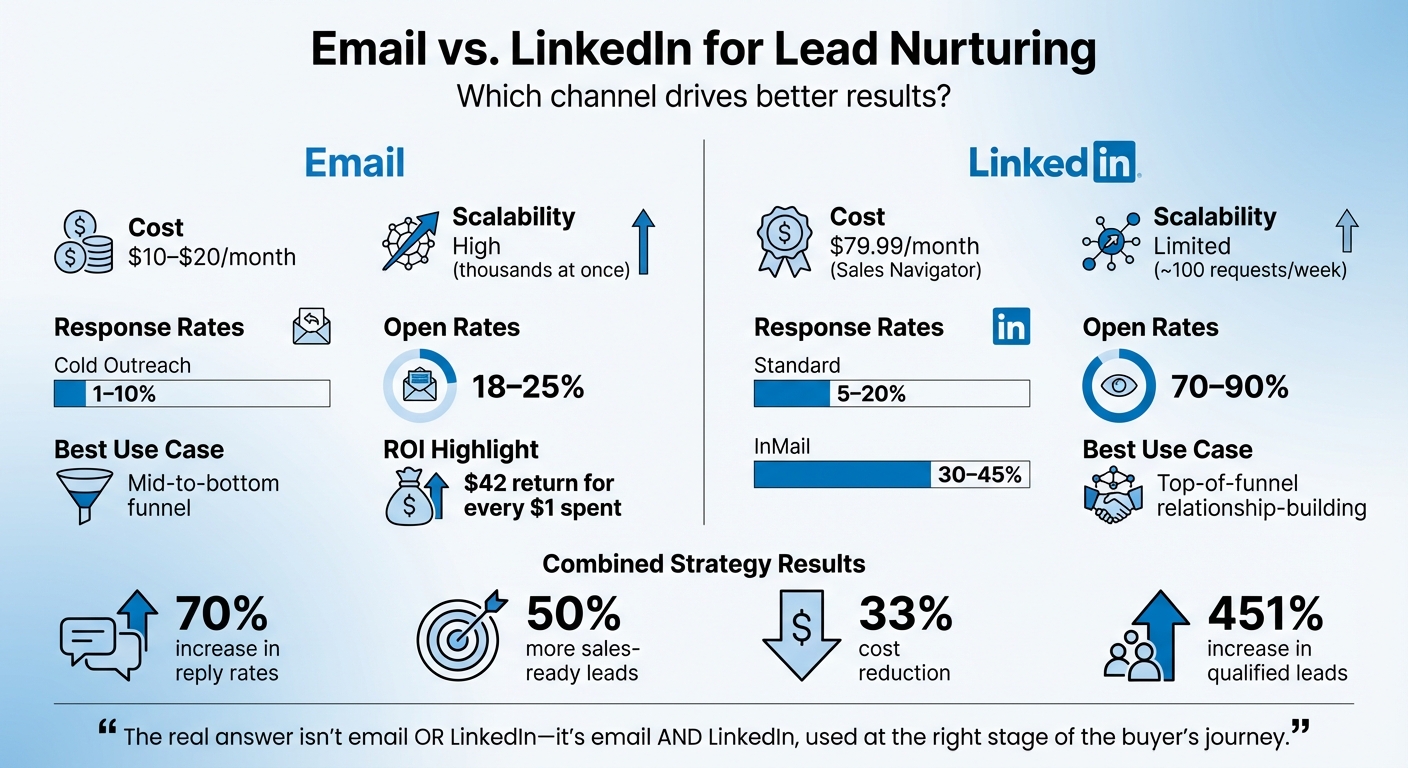
Email vs LinkedIn Lead Nurturing: Cost, Response Rates, and ROI Comparison
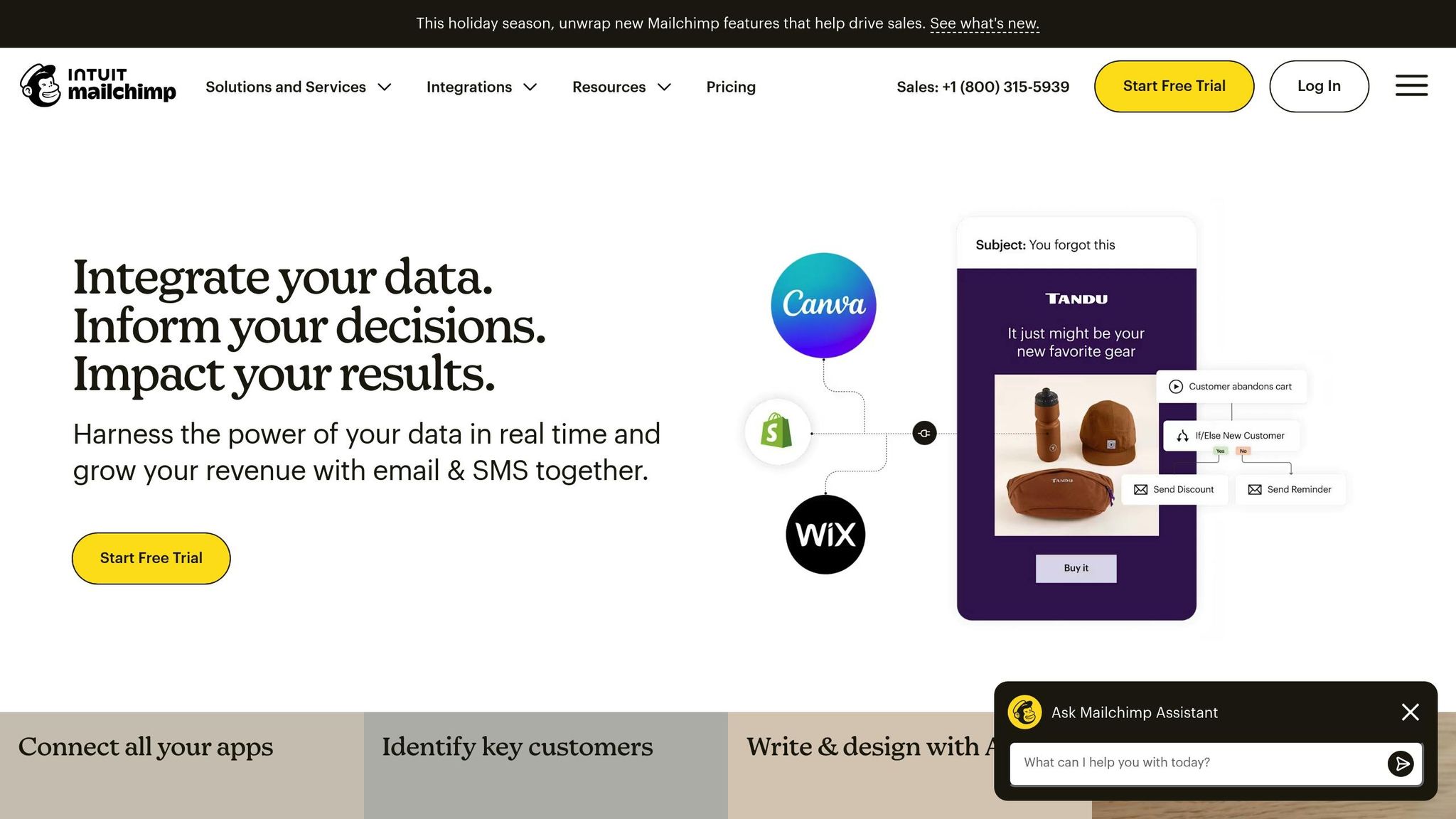
LinkedIn Lead Generation Ad with Mailchimp Email Nurturing
Email for Lead Nurturing
Email has been a cornerstone of lead nurturing for years, thanks to its scalability, cost-effectiveness, and automation capabilities. Whether you're reaching 100 or 100,000 contacts, email allows for personalized communication at scale. Modern email platforms even support multiple mailboxes, enabling you to connect with large audiences without significantly increasing costs [5][7].
The real magic happens with behavioral triggers. Automated workflows can send customized messages when a prospect takes specific actions, like visiting a pricing page, downloading a resource, or abandoning their cart [8][4]. This isn’t about sending generic blasts - it’s about delivering the right message at the right time. AI-powered personalization enhances this further by customizing subject lines and content based on a lead’s industry, role, or previous interactions, all while maintaining scalability [7][8].
Email is especially effective in mid-to-bottom-funnel workflows, helping high-intent leads move closer to a decision. Case studies, product demos, and testimonials can be seamlessly delivered, while CRM tools like Salesforce and HubSpot ensure everything stays in sync. These integrations automatically update lead scores as prospects interact with your emails, providing measurable engagement that fits into a larger outreach strategy [5][4].
Benefits of Email in Lead Nurturing
Email offers a standout return on investment, averaging $42 for every $1 spent [5]. Unlike social media or other platform-dependent channels, you own your email list, ensuring consistent access to your audience [5].
Automation is another game-changer. It saves countless hours by handling follow-ups and stopping sequences as soon as a prospect replies, preventing unnecessary communication [7][8]. For example, in 2024, Custom Truck One Source used 6sense's AI Email Assistant to automate their lead nurturing. The results? They saved 738 hours of manual work per week and generated $5 million in pipeline within just five weeks [8].
Segmentation and lead scoring make it easy to tailor your approach. High-priority leads can receive immediate attention, while lower-priority ones can go through educational email sequences over time [9]. You can design workflows for every stage of the funnel, from introductory emails for new leads to last-minute offers for trial users nearing expiration [7][2]. Personalized emails also perform better, boosting click-through rates by 14% and conversion rates by 10% [3].
Drawbacks of Email in Lead Nurturing
Despite its advantages, email marketing comes with challenges. Professionals receive more than 120 emails daily, making it difficult to stand out in crowded inboxes [5]. Cold email open rates typically range from 18% to 25%, with reply rates often below 3% unless personalization is heavily prioritized [5]. Even when your message is spot-on, AI spam filters from providers like Gmail can block promotional content before it even reaches your audience [10].
"Email marketing is not a one-person job." – Joe Cunningham, Managing Editor, Stacked Marketer [10]
Another issue is list decay. On average, email lists lose about 22.5% of their contacts annually as people change jobs, abandon email addresses, or unsubscribe [5]. Regular list maintenance and data cleaning are essential to keep your campaigns effective. Compliance with regulations like GDPR and CCPA adds further complexity, requiring strict opt-in procedures and careful data management [5].
Lastly, open rates are becoming less reliable as a metric. Privacy updates and bots often inflate these numbers, making them "vanity metrics" that don’t reflect true engagement [10]. Instead, focus on actionable outcomes like replies and meetings booked - these are the metrics that drive real results [10].
LinkedIn for Lead Nurturing
Email may still dominate when it comes to scalable automation, but LinkedIn brings a personal touch to lead nurturing that email just can’t match. The platform allows for professional engagement in a way that feels more human. When you reach out on LinkedIn, prospects can immediately view your profile, see mutual connections, and check out endorsements. This instant visibility builds credibility and trust right from the start. Unlike the "faceless" emails that often get lost in crowded inboxes, LinkedIn messages come with built-in social proof, setting a more trustworthy tone for interactions [5].
Another advantage? LinkedIn provides access to real-time professional data. You can target leads based on updated job titles, industries, company size, and even specific skills. This level of precision is invaluable, especially since professionals constantly update their profiles as they change roles or companies. With over 950 million professionals and 61 million decision-makers active on LinkedIn, the platform offers unmatched targeting capabilities [5]. This transparency makes it easier to engage with prospects during the early stages of the funnel.
LinkedIn shines particularly bright during the awareness and consideration stages. You’re not limited to direct messaging; you can interact with a prospect’s posts, endorse their skills, or share meaningful content on your feed. This allows you to build familiarity and credibility before even sending a connection request. By taking this multi-faceted approach, sales teams can establish themselves as thought leaders and influence decisions before prospects even reach the final decision-making stage [5].
"The trust you earn in this process comes from maintaining an authentic brand voice and staying top-of-mind through content that addresses some of your audience's common pain points." - Tequia Burt, Ex-Editor in Chief @ LinkedIn [1]
The numbers back this up. Top-performing B2B brands generate three times more leads from organic LinkedIn content than they do from email. Additionally, nurturing leads across three or more channels, including LinkedIn, can boost engagement by 63% [5][11].
Benefits of LinkedIn in Lead Nurturing
LinkedIn's response rates tell a compelling story. Personalized InMail messages average 30–45% response rates, far surpassing the 1–3% typically seen with cold emails [5]. But it’s not just about the numbers - it’s about connecting with people in a professional setting where they are already open to networking and learning.
Social selling is now a must-have skill for B2B sales teams, and LinkedIn plays a central role. Your profile acts like a personal landing page, highlighting your expertise through posts, recommendations, and activity. LinkedIn’s AI-powered tools also make the process smoother, offering lead suggestions, messaging tips, and engagement predictions based on behavior and profile data [5]. Video messaging is another game-changer. Sending personalized video notes has become increasingly popular, with video content boosting click-through rates by 65% [11].
Timing is critical on LinkedIn. Leads showing high intent on social platforms are nine times more likely to convert if contacted within five minutes. Similarly, responding to engagement within 2–4 hours helps maintain momentum and shows prospects that you’re attentive [9]. This real-time responsiveness makes LinkedIn particularly effective for warming up leads before they lose interest. When combined with email workflows, LinkedIn becomes an essential part of a multi-channel nurturing strategy.
Drawbacks of LinkedIn for Lead Nurturing
Despite its strengths, LinkedIn has its limitations. One major drawback is platform dependency. Unlike email lists that you own, your LinkedIn network exists entirely within the platform’s ecosystem. Free accounts also come with strict limits on connection requests, and exceeding these limits can result in account restrictions or even bans [5].
The cost of scaling is another factor to consider. While basic networking is free, serious outreach often requires LinkedIn Premium or Sales Navigator subscriptions. On top of that, you’ll need InMail credits to message people outside your network, making high-volume efforts more expensive than traditional email campaigns [5].
Then there’s the time commitment. LinkedIn’s effectiveness comes from its emphasis on manual personalization - taking the time to research profiles, engage thoughtfully, and tailor your approach. This makes it far more labor-intensive than blasting out automated email sequences.
Finally, platform saturation is becoming a challenge. As more sales professionals turn to LinkedIn for outreach, prospects are being inundated with connection requests and pitches. Standing out now takes more creativity and effort than it did just a few years ago [5].
Email vs. LinkedIn: Side-by-Side Comparison
When you compare email and LinkedIn side by side, the differences in scalability, cost, and engagement become clear. Email offers a cost-effective solution, typically ranging from $10 to $20 per month, while LinkedIn requires a pricier commitment. A Sales Navigator subscription costs $79.99 per month, and each InMail credit adds about $1.60 to your expenses [13]. For businesses running high-volume campaigns, email remains the more budget-friendly option.
However, response rates tell a different story. LinkedIn messages generally see reply rates between 5% and 20%, with personalized InMail performing even better at 30% to 45%. In contrast, cold emails typically yield reply rates of just 1% to 10% [5] [14]. LinkedIn's higher engagement can be attributed to its built-in credibility. Prospects can review your profile, check for mutual connections, and verify your professional background before responding. Cold emails, on the other hand, often lack this trust-building element.
When it comes to content, email supports long-form HTML newsletters, making it ideal for detailed promotions. LinkedIn, by contrast, is better suited for short, conversational messages and native video content [12]. This makes LinkedIn a great platform for sparking discussions or sharing quick, engaging insights.
Targeting is another area where LinkedIn shines. It uses real-time professional data to deliver highly precise targeting based on factors like job title, company, seniority, and skills. This makes it particularly effective for account-based marketing and reaching specific decision-makers. Email targeting, while still effective, depends on the quality of your contact list and relies on segmentation by demographics, past behavior, or purchase history [12].
Comparison Table: Email vs. LinkedIn
| Feature | Email Marketing | LinkedIn Outreach |
|---|---|---|
| Primary Strength | Scale and cost-effectiveness [12] | Building trust and relationships [12] |
| Targeting Precision | Good (list-based segmentation) [12] | Highly precise (job title, company, skills) [12] |
| Trust/Credibility | Lower for cold outreach; higher for opt-in [12] | High due to profile visibility and mutual connections [12] |
| Scalability | Can reach thousands quickly [12] | Limited by platform caps (~100 connection requests per week) [13] |
| Response Rates | 1–10% for cold outreach [14] | 5–20% for standard messages; 30–45% for InMail [5] [14] |
| Open Rates | 18–25% [13] | 70–90% [13] |
| Cost | Low ($10–$20/month) [13] | Higher (starting at $79.99/month for Sales Navigator) [13] |
| Content Formats | Long-form, HTML-rich newsletters [12] | Short-form messages, video, native posts [12] |
| Daily/Weekly Limits | ~100–200 sends per day [13] | ~100 connection requests per week [13] |
Each platform has its strengths, and understanding these differences can help you decide when to use email or LinkedIn as part of your outreach strategy.
sbb-itb-817c6a5
When to Use Email for Lead Nurturing
Email stands out as a powerful tool for lead nurturing, thanks to its scalability and ability to deliver personalized messages efficiently. Whether you're managing campaigns for 100 or 100,000 contacts, email offers a cost-effective way to reach your audience [5]. It's also a fantastic method for re-engaging dormant leads. If prospects have gone silent for months or stopped interacting, automated "inactivity re-engagement" sequences can help revive their interest [7][2]. With email, you have full control over timing, frequency, and content, and since your email list is an owned asset, you’re not reliant on external platforms for delivery [5].
Email is particularly effective in industries with long sales cycles, like SaaS and enterprise technology. When buyers take months to make decisions, automated drip campaigns ensure your brand stays top-of-mind without requiring constant manual input. In fact, nurtured leads are proven to generate 50% more sales-ready opportunities while reducing costs by 33% compared to non-nurtured leads [11].
Another advantage of email is its ability to support A/B testing at scale. You can experiment with subject lines, sending times, and message variations across large audience segments without incurring extra costs. Behavioral trigger emails - those sent in response to specific actions like visiting a pricing page - are especially effective, boasting open rates of 42.36%, compared to 14.5% to 26.9% for standard broadcast emails [11]. This allows you to refine your strategy continuously based on real engagement data.
Email is also an excellent channel for delivering detailed, valuable content like case studies, product demos, or educational resources. Leads who have already shown interest by downloading a whitepaper or attending a webinar are perfect candidates for middle-of-funnel nurturing through automated email sequences [5]. In fact, automated nurturing campaigns can generate 320% more revenue than manual efforts [11]. By integrating these tactics into a broader lead nurturing strategy, email becomes an indispensable tool for driving engagement and conversions.
When to Use LinkedIn for Lead Nurturing
LinkedIn is an excellent platform for nurturing relationships with high-value prospects who aren’t quite ready to make a purchase. Its strength lies in fostering person-to-person connections, allowing your sales team to build trust through social proof and shared connections before making a pitch. With access to real-time professional data, LinkedIn offers precise and timely targeting opportunities, making it a standout tool for nuanced engagement.
This platform works particularly well for top-of-the-funnel activities, connecting with prospects early in their decision-making process. Unlike email, LinkedIn users are often in a business-focused mindset, which signals a higher willingness to engage and learn. For instance, personalized LinkedIn InMail messages see response rates between 30% and 45%, far exceeding the 1% to 3% typical of cold emails [5]. Additionally, top-performing B2B brands generate three times more leads from organic LinkedIn content compared to email [5]. By engaging prospects early, LinkedIn helps set the foundation for more targeted outreach in advanced marketing campaigns.
LinkedIn is also highly effective for account-based marketing, especially when reaching out to specific decision-makers. Tools like Sales Navigator allow you to refine your outreach by filtering prospects based on factors like company size, industry, and seniority. Once you’ve identified potential leads, you can engage subtly - viewing their profiles, liking their posts, or endorsing their skills - before sending a connection request. This non-intrusive approach keeps you visible without overwhelming your prospects. It’s worth noting that 65% of B2B buyers only interact with a vendor’s sales representative after they’ve already made a purchase decision, underscoring how critical early-stage nurturing on LinkedIn can be [15].
Beyond targeted efforts, LinkedIn is also a powerful tool for scaling social selling. Running LinkedIn polls can help you uncover industry challenges faced by your audience, transitioning those insights into private conversations for tailored follow-ups. Hosting LinkedIn Events, such as webinars or Q&A sessions, allows you to engage hundreds of prospects at once while showcasing your expertise. To maximize impact, keep your profile active and focused on addressing the pain points of your target customers. Combining LinkedIn strategies with email workflows can further enhance your lead nurturing efforts, creating a cohesive and effective approach.
Combining Email and LinkedIn in Lead Nurturing
Email excels at scale, while LinkedIn builds credibility. When used together, they amplify engagement. Instead of choosing one over the other, the most effective strategies combine both, creating an omnichannel approach. This synergy allows prospects to convert 47% faster by encountering your brand across multiple touchpoints, fostering familiarity rather than just adding to inbox clutter [6].
Each channel plays a specific role in your workflow. LinkedIn shines at the top of the funnel, where you establish trust through social proof, mutual connections, and thought leadership. Email takes the lead in the middle of the funnel, delivering case studies, product demos, and educational content at scale. By referencing LinkedIn interactions in your emails - and vice versa - you create a seamless narrative that feels personalized rather than automated [5][6]. This integration lays the groundwork for automated cross-channel campaigns that feel human.
"The real answer isn't email or LinkedIn, it's email AND LinkedIn, used at the right stage of the buyer's journey." - Keshav, B2B Strategy Lead, Whitepapers Digital [5]
Companies leveraging automation across both channels see a 451% increase in qualified leads compared to manual processes [6]. Automation handles repetitive tasks while maintaining personalization, with features like "Auto-Stop on Reply" to prevent duplicate messages when a prospect responds on LinkedIn [7].
Sample Workflow: LinkedIn to Email
A successful multi-channel sequence often starts with LinkedIn to spark a connection, then transitions to email for deeper engagement. Here's an effective 10-day plan [6]:
- Day 1: Send an email addressing a specific pain point with a relevant case study or insight. Keep it concise and focused.
- Day 3: Send a LinkedIn connection request with a custom note referencing your email. This continuity shows you're paying attention and boosts acceptance rates [5].
- Day 5: Follow up with an email offering additional resources or a new perspective on the same issue.
- Day 7: Send a short LinkedIn message after the connection is accepted, sharing a relevant post or asking a thoughtful question about their work.
- Day 10: Wrap up with a final email that includes a clear call-to-action, such as scheduling a meeting or accessing a demo.
Throughout this process, score each interaction. For example, a LinkedIn connection might earn +20 points, an InMail reply +30 points, and an email click-through +15 points. Once a lead reaches a set threshold (e.g., 50 points), they’re flagged as "warm" and ready for a direct sales call [6]. This lead scoring system ensures your sales team focuses on prospects who’ve shown genuine interest across multiple channels.
How SalesMind AI Supports Multi-Channel Workflows
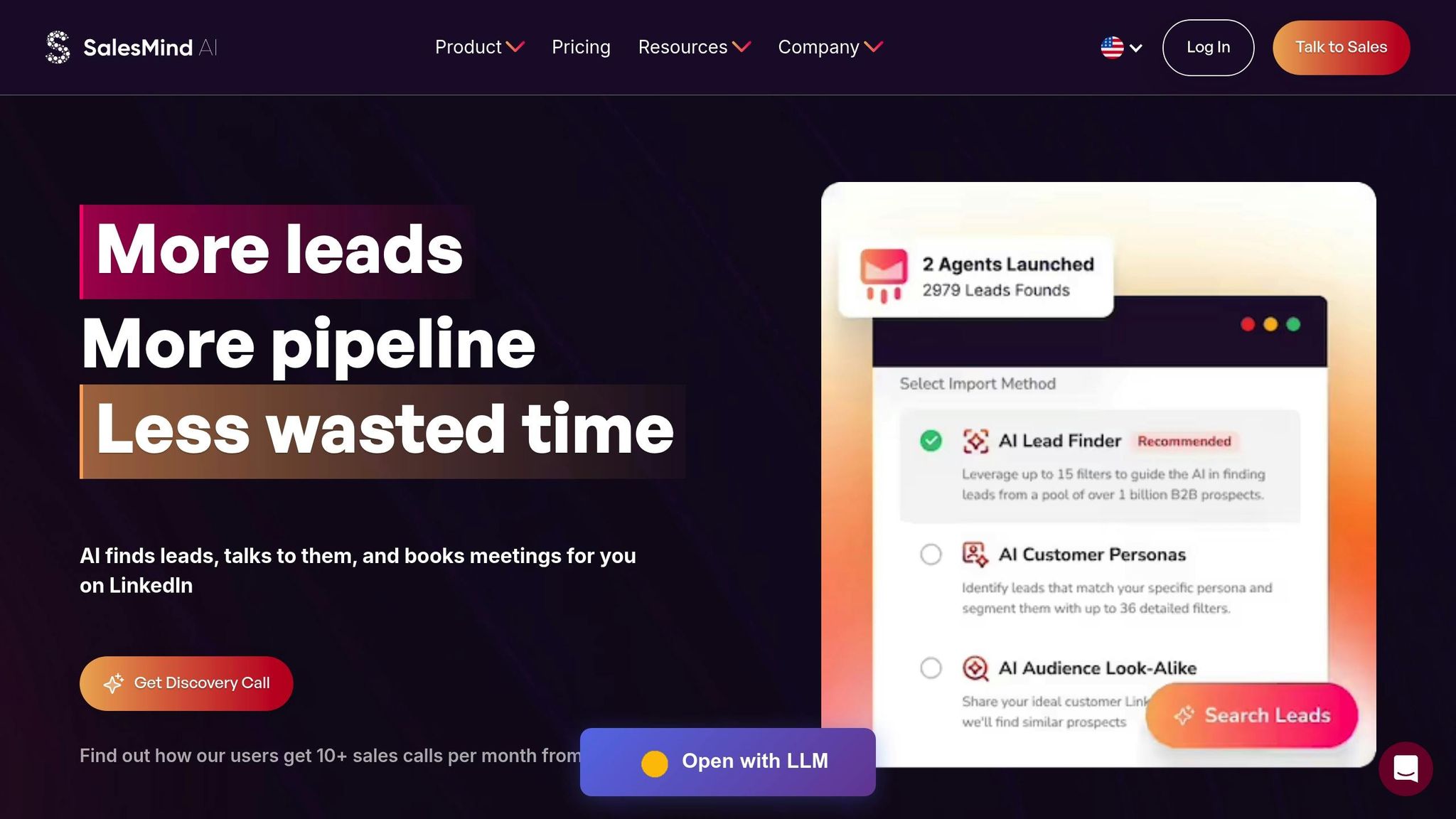
SalesMind AI takes this workflow to the next level by automating and refining your multi-channel approach. The platform uses AI to adjust LinkedIn messaging based on prospect behavior and company updates. When a prospect engages - whether by accepting a connection or replying to a message - their activity is automatically factored into an advanced lead scoring system.
The AI-powered unified inbox consolidates all LinkedIn conversations, allowing you to track engagement in real time. Behavioral triggers can be set up so that actions like profile visits or message replies automatically update a lead's score or move them into a high-priority nurture track. Responding to high-intent leads quickly is crucial, as it increases the likelihood of qualification by 21 times when done within five minutes [11].
SalesMind AI also integrates seamlessly with CRMs, enabling smooth transitions between channels. For instance, when a LinkedIn prospect reaches a certain engagement level, the system can trigger an email sequence or notify your sales team for immediate follow-up. Real-time tracking ensures you know exactly where each prospect stands, eliminating guesswork and keeping your outreach consistent and personalized - whether on LinkedIn or through email.
Conclusion
When examining automated lead nurturing workflows, it’s clear that email and LinkedIn each bring distinct advantages to the table. Email offers a cost-effective, scalable way to communicate, boasting an impressive return of $42 for every $1 spent[5]. It’s particularly effective for mid- to bottom-funnel efforts. On the other hand, LinkedIn excels at building trust, with InMail response rates ranging from 30% to 45%[5].
When used together, these platforms create a powerful synergy. Strategically combining email and LinkedIn can increase reply rates by as much as 70%, produce 50% more sales-ready leads at 33% lower costs, and drive a staggering 451% growth in qualified leads[5][6][16].
"The real answer isn't email or LinkedIn - it's email AND LinkedIn, used at the right stage of the buyer's journey." - Keshav, B2B Strategy Expert[5]
By leveraging email for detailed content delivery and LinkedIn for building early-stage trust, your approach can seamlessly align with the buyer’s journey. Tools like SalesMind AI further simplify this process by automating multi-channel workflows. With features like AI-driven LinkedIn integration, real-time lead scoring, and a unified inbox to trigger email sequences or alerts, you’ll ensure no engaged prospect slips through the cracks.
As we approach 2025, when 75% of B2B buying teams are predicted to favor digital-first interactions[9], this integrated strategy not only meets today’s needs but also positions your business to thrive in a digital-first future.
FAQs
How does combining email and LinkedIn improve lead nurturing?
Combining email and LinkedIn can create a highly effective multi-channel approach for nurturing leads. With email, you can share personalized, automated content on a large scale. Meanwhile, LinkedIn offers a more personal and professional way to engage directly with prospects. Together, these platforms increase the likelihood of connecting with leads where they’re most receptive.
Here’s an example of how this works: Start with an email sequence to share helpful resources or insights. Then, follow up with a LinkedIn connection request or a direct message to add a personal touch. This blend of channels builds trust, encourages replies, and ensures a smooth experience for your prospects. When your timing and messaging are aligned across both platforms, it creates consistent communication, minimizes the chances of being overlooked, and helps guide leads through the sales funnel more effectively.
By tapping into the unique strengths of email and LinkedIn, this approach drives better engagement, quicker conversions, and a more personalized journey for potential buyers.
How do the costs of using LinkedIn compare to email for lead nurturing?
LinkedIn tends to be pricier than email when it comes to lead nurturing. To use LinkedIn effectively, you often need a paid subscription like Sales Navigator, which costs $79.99 per month or $779.88 annually. On top of that, there are additional expenses for InMail credits, which are roughly $10 each. These costs add up, pushing the cost-per-lead to anywhere between $408 and $800.
Email, on the other hand, is much easier on the wallet. Many email marketing tools are either free or come with minimal costs, leading to an average cost-per-lead of just $53. While LinkedIn offers the advantage of more personalized outreach and direct connections with prospects, email stands out as a budget-friendly option for businesses looking to keep expenses in check.
Why is LinkedIn so effective for building initial connections with leads?
LinkedIn works exceptionally well for top-of-funnel marketing efforts because it enables businesses to zero in on professionals based on their job titles, industries, and other crucial factors. This precision makes it simpler to reach decision-makers and influencers who are already active on the platform.
What sets LinkedIn apart is its professional atmosphere, which encourages sharing ideas, sparking conversations, and forming connections in a way that feels genuine rather than overly sales-driven. By tapping into this environment, businesses can begin building trust early in the lead nurturing journey.
Have You Ever Experienced Sales Done by AI?