AI Trends in LinkedIn Group Collaboration
How AI transforms LinkedIn groups: discovery, moderation, content creation, summaries, and CRM integration to boost B2B engagement and lead generation.
 Julien Gadea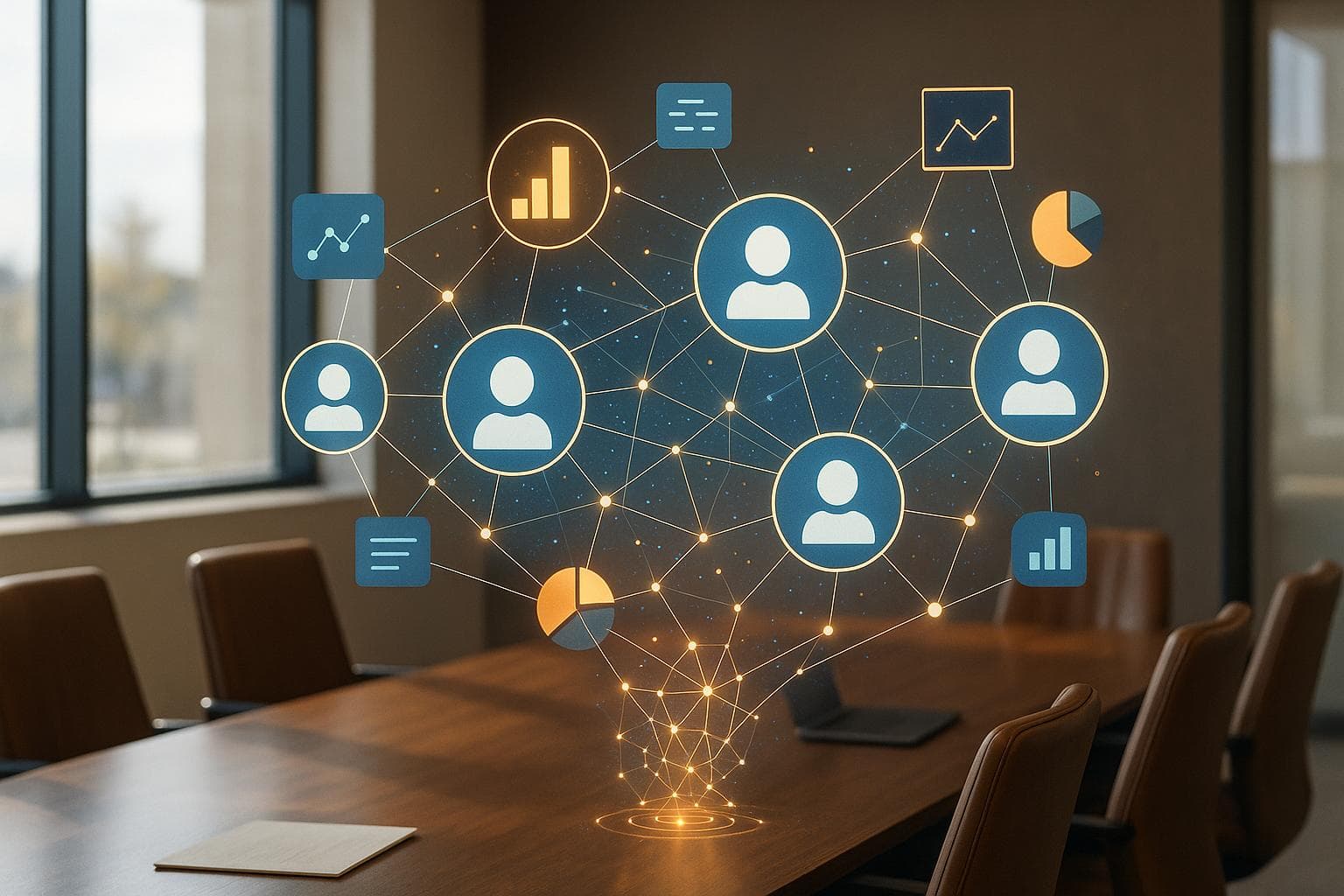
How AI transforms LinkedIn groups: discovery, moderation, content creation, summaries, and CRM integration to boost B2B engagement and lead generation.
How AI transforms LinkedIn groups: discovery, moderation, content creation, summaries, and CRM integration to boost B2B engagement and lead generation.
Table of Contents
By 2025, LinkedIn groups have transformed into AI-driven hubs for professional networking and B2B collaboration. AI tools now streamline group discovery, automate engagement, and personalize interactions, making LinkedIn a powerful platform for sales and marketing teams. Key highlights include:
- AI-Assisted Content Creation: Over half of LinkedIn posts are AI-generated, improving post quality and engagement.
- Targeted Group Discovery: AI identifies the most relevant groups and connections, boosting acceptance rates by 44%.
- Automated Moderation: Spam detection and content filtering ensure clean, professional group environments.
- Predictive Engagement Tools: AI predicts which posts will drive discussions and identifies members likely to respond.
- AI Summaries: Long group threads are condensed into actionable insights, saving time for busy professionals.
- Direct Sales Integration: AI links group activity to CRM systems, turning LinkedIn groups into lead-generation engines.
While AI simplifies networking and enhances productivity, ethical considerations like transparency, bias prevention, and responsible automation are critical to maintaining trust. Tools like SalesMind AI exemplify how businesses can scale outreach and engagement effectively, achieving measurable results like a 69% increase in campaign effectiveness and shorter sales cycles. The future of LinkedIn groups lies in deeper AI integration, connecting professional networks, and driving meaningful interactions that support business growth.
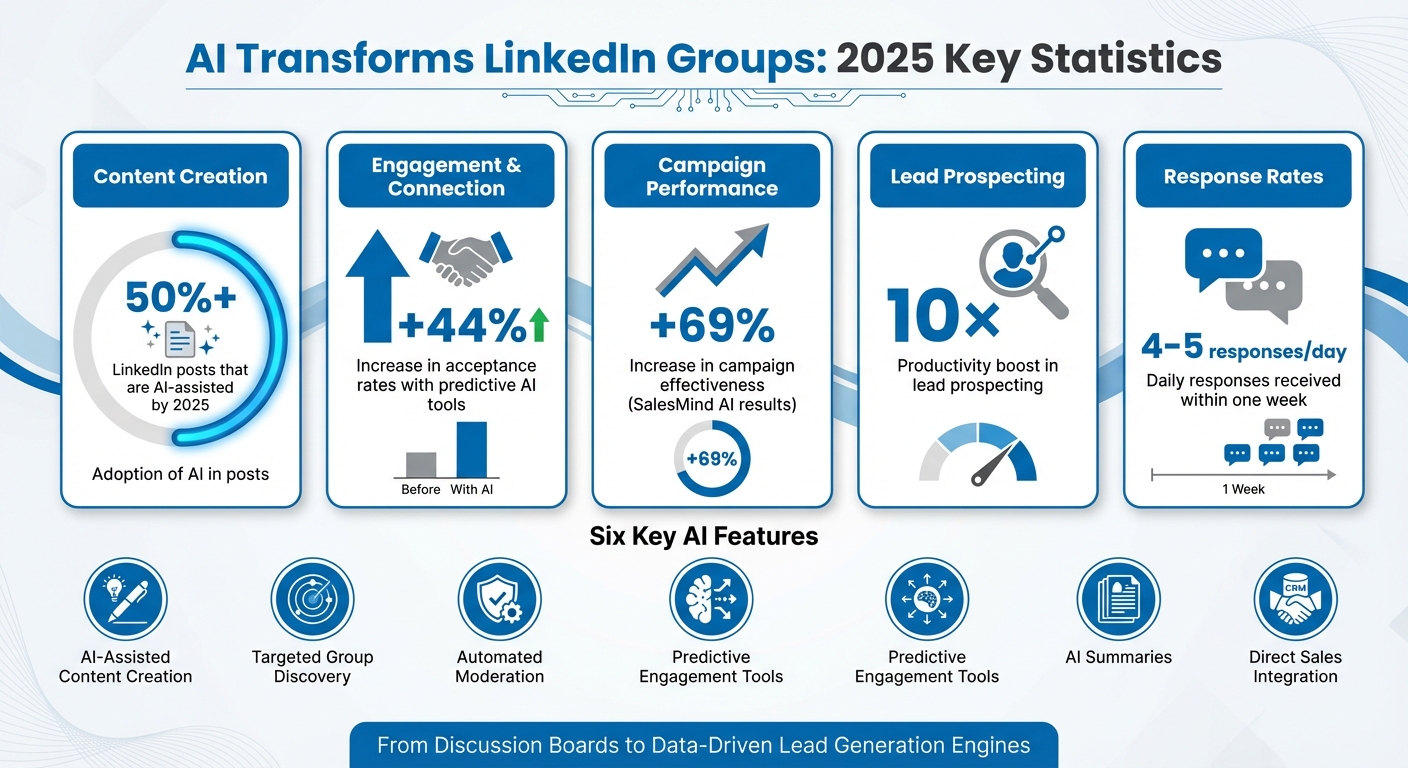
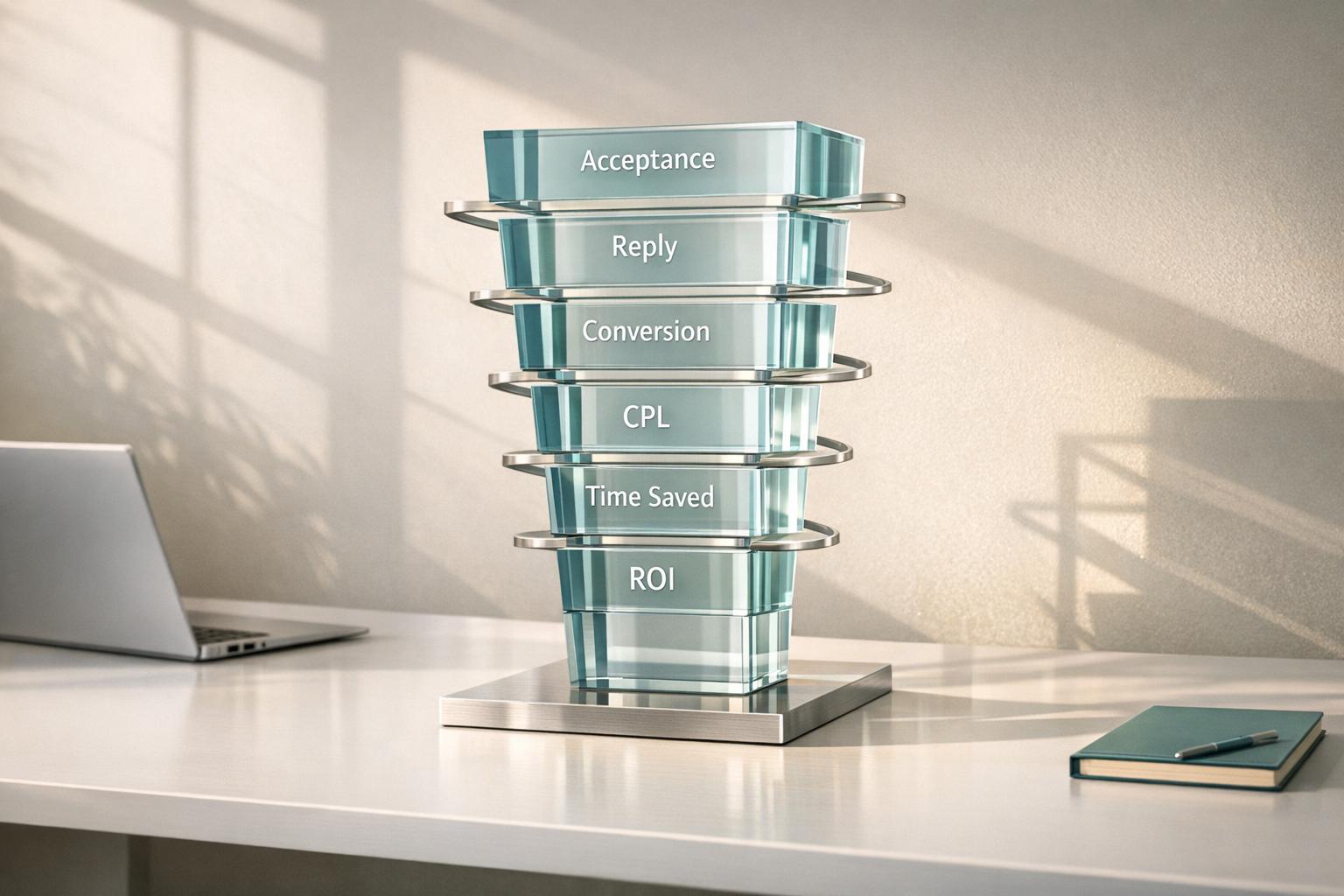
AI Impact on LinkedIn Group Collaboration: Key Statistics and Benefits
LinkedIn Outreach 2025: The Perfect AI Stack for Qualified B2B Leads
How AI Has Changed LinkedIn Group Dynamics
LinkedIn groups have evolved far beyond simple discussion boards. Today, they function as dynamic hubs where data-driven tools personalize content and automate tasks for B2B professionals. Members now see threads and contacts tailored to their specific industries and interests, making group participation far more efficient and relevant for professionals trying to make the most of their busy schedules.
By 2025, it’s estimated that over half of LinkedIn posts will be AI-assisted, incorporating features like drafting, optimization, and content recommendations[2]. For sales and marketing teams in the U.S., this shift offers a measurable return on investment, as group activity increasingly ties into pipeline metrics, CRM data, and campaign performance[4].
Next, let’s dive into how AI simplifies group discovery and targeting to boost engagement.
AI-Powered Group Discovery and Targeting
AI algorithms are reshaping how professionals discover and engage with LinkedIn groups. By analyzing profile data, activity history, connections, and content interactions, these systems identify the communities, posts, and members most aligned with individual professional goals. Instead of endlessly searching through countless groups, AI pinpoints the ones where ideal buyers, partners, or peers are actively engaging. For instance, if you're targeting SaaS decision-makers in the U.S., AI can identify communities with high engagement by analyzing job titles, industries, and interaction patterns[2][3].
This precise targeting delivers real results. Predictive AI tools that optimize networking and connections have increased acceptance rates by 44%[2]. B2B teams use AI to identify communities with the right attributes, cross-referencing member lists with CRM data to facilitate warm introductions[2][3][4][5]. On a practical level, sales teams analyze which posts and threads attract their target audience, then join those conversations with thoughtful, tailored comments that resonate with potential prospects. This strategic approach transforms group participation from casual networking into a structured lead-generation strategy[2][3].
Automated Moderation and Spam Detection
AI-powered moderation tools play a key role in maintaining the professionalism of LinkedIn groups by filtering out spam before it reaches members. Machine learning models analyze text patterns, link behaviors, posting frequencies, and user histories to detect and flag problematic content[4]. This includes repetitive link-dropping, irrelevant promotions, keyword-stuffed posts, and suspicious mass-messaging activity[2][4]. Natural language processing further helps distinguish genuine professional discussions from bot-like or irrelevant content. When suspicious activity is detected, the system can hide posts, queue them for human review, or even restrict posting privileges. For U.S.-based B2B groups, this kind of automation ensures that feeds remain clean and readable[4].
The best results come from combining AI tools with clear group policies. Group admins can establish transparent rules for promotional content and posting frequency, then configure AI filters to enforce those guidelines. Starting with conservative settings - where flagged content is primarily sent for human review - helps prevent over-censorship while the system learns. Regularly reviewing AI decisions, especially in tricky cases like distinguishing constructive criticism from harassment, ensures that technology enhances moderation without replacing human judgment[4][6].
AI-Generated Discussion Summaries
Keeping up with long, multi-day group threads can be overwhelming, especially for professionals managing multiple communities. AI summarization tools address this by using natural language processing to distill lengthy conversations into concise overviews that highlight key points, decisions, and unresolved questions[4]. These tools analyze message sequences, identify recurring themes, and create bullet-style abstracts or short paragraphs summarizing the discussions.
For example, members might receive weekly digests featuring top conversations, segmented by roles like sales, marketing, or product. Extended events like AMAs, webinars, or Q&A sessions can be condensed into quick recaps, helping users decide which discussions deserve a deeper dive. These summaries also surface actionable insights, such as recommended tools, benchmarks, or strategies shared during the conversation[4].
For professionals in the U.S. managing multiple groups across different time zones, these summaries significantly reduce mental strain and save time. Teams can integrate these overviews into their workflows by scheduling emails or Slack digests that highlight the most relevant LinkedIn discussions for each department. Marketing teams use the insights to spot content gaps, while managers rely on the summaries to guide team participation in threads where key prospects are active[4][5]. In essence, AI-generated summaries transform raw group activity into organized, actionable insights that directly support sales and marketing goals.
Current AI Trends in LinkedIn Group Collaboration
Professionals are now leveraging AI tools to enhance their collaboration within LinkedIn groups. These tools predict which posts are likely to spark discussions, draft personalized replies in seconds, and map connections between members. Building on earlier advancements in group discovery and moderation, these AI-driven features help U.S. B2B teams turn passive group browsing into active lead generation. The result? More focused discussions that directly impact their sales pipelines.
Predictive Engagement Analysis
AI models analyze historical group data - like post types, popular topics, timing, member roles, and engagement patterns such as comments, likes, and shares - to predict which content will resonate most. These tools also factor in signals like industry, seniority, past interactions, and network connections to identify members most likely to engage. For sales teams, this means knowing exactly when to post, which topics will hit the mark, and which members are ready to respond.
Take SalesMind AI, for example. It uses predictive intelligence to prioritize leads by analyzing profiles and engagement trends. Instead of manually tracking group conversations, teams can rely on AI to flag discussions where their ideal buyers are already active.
In practice, B2B teams use these insights to schedule posts during peak activity, tag members likely to respond, and jump on trending topics before they get oversaturated. Marketing teams can even integrate predictive data with CRM records to uncover warm introduction paths, while sales reps monitor threads that attract key decision-makers. With this shift, engagement becomes intentional and data-driven, directly contributing to revenue growth. Beyond predictions, AI also plays a critical role in content creation and network mapping.
AI-Assisted Content and Conversation Tools
AI has made creating tailored replies and posts faster and more efficient. It can draft responses to group posts in seconds, mirroring the tone of the conversation and the user's style. Comment assistants pull in relevant details from prospect profiles, company websites, and past interactions to craft responses that feel personal and authentic. Additionally, AI-powered tools can turn a simple prompt - like "remote sales challenges in 2025" - into multiple headline options or poll questions designed to engage the group.
SalesMind AI takes this a step further by automating personalized messaging at scale. It crafts outreach messages tailored to each prospect's profile and company context. Its unified inbox keeps track of replies across LinkedIn accounts, offering pre-written responses, tags, and reminders to ensure no lead slips through the cracks. Users have reported receiving 4-5 responses daily within just a week, leading to more meetings and closed deals.
However, to maintain authenticity, AI-generated content should be treated as a starting point. Group admins are encouraged to review and tweak these drafts to ensure they reflect genuine perspectives rather than sounding like cookie-cutter replies.
Network Mapping for Lead Discovery
AI-powered network mapping tools create visual graphs that illustrate how group members are connected - tracking interactions like who comments on whose posts, who frequently participates in the same threads, and who shares common interests. These insights can reveal influencers whose posts drive extended discussions, highlight collaboration clusters, and uncover connection paths from current contacts to potential prospects.
For B2B sales teams, this means identifying warm introduction routes and finding key group members who can amplify their posts. Instead of relying on cold outreach, teams can focus on smaller, engaged communities within groups where tailored content sparks meaningful conversations. AI further refines this process by filtering leads based on specific criteria and pulling profile insights for targeted outreach.
Alex L., CTO at Slash Co, shared that SalesMind AI "boosted my productivity in lead prospecting by 10×" and helped start "5 to 10 new conversations" each week, opening doors to valuable connections.
Roberto K., Chief Product Officer at aCommerce, explained that the platform "completely automated our sales prospecting on LinkedIn", allowing his team to "reach out to hundreds or thousands of prospects without losing control", making lead generation effortless at scale.
sbb-itb-817c6a5
Ethical AI Practices in LinkedIn Groups
AI has the power to enhance engagement and outreach in LinkedIn Groups, but without ethical boundaries, it can harm professional trust. With the rise of AI-generated content, members often interact with automation without realizing it.[7] For professionals in industries like finance, healthcare, and legal services, this lack of transparency can lead to compliance issues or even breach employer policies. By setting clear guidelines for AI use, group owners can foster trust and reduce potential legal risks.[2][6] These measures create a balanced environment where AI enhances, rather than undermines, group interactions.
Transparency in AI-Assisted Interactions
To maintain trust, transparency is key. If AI is used to draft welcome messages, flag moderation issues, or suggest connections, this should be clearly communicated. For example, automated messages could include a note like, "Drafted with AI and reviewed by a moderator." Similarly, a brief explanation of how AI contributes to group management helps members stay informed.[2] When recommending members, sharing general insights - such as engagement patterns, shared skills, or previous group activity - provides valuable context without revealing proprietary algorithms. This aligns with the growing emphasis on explainable AI, which Gartner predicts will soon become a regulatory standard.[2]
Preventing Spam and Automation Misuse
AI can be a double-edged sword when it comes to outreach. Without proper controls, it can shift from helpful to intrusive. To avoid this, group owners should set clear boundaries for automated messages, including an opt-in process and a visible unsubscribe option.[2][3] Additionally, AI tools should be programmed to detect and flag repetitive, low-value, or overly promotional content for human review rather than allowing it to auto-publish. For instance, platforms like SalesMind AI enable large-scale outreach while maintaining oversight to ensure that interactions remain relevant and meaningful.
Bias Prevention and Explainable AI
AI algorithms often have unintended biases, favoring more popular members, dominant industries, or polished communication styles, which can marginalize newcomers and less-represented voices.[7][5][6] To counteract this, admins can use explainable AI dashboards to monitor key factors like engagement trends, topic tags, and post recency. If biases are identified, adjustments can be made - such as prioritizing first-time posters or rotating spotlight features - to ensure fair representation.[2][6] Additionally, providing members with a way to appeal AI-driven moderation or visibility decisions adds a layer of accountability, reinforcing trust and demonstrating a commitment to ethical AI use.[6]
Future Predictions for AI in LinkedIn Groups
AI-Curated Professional Networks
AI is set to transform how professionals build connections on LinkedIn. Moving beyond the basic "people you may know" feature, LinkedIn will soon leverage advanced AI to create smarter, goal-oriented introductions. Over the next 3–5 years, AI will analyze factors like group memberships, post history, skills, industry, seniority, and engagement patterns to suggest connections tailored to specific professional goals [3][5]. Instead of manually searching for the right people, users will receive carefully curated introductions to peers with complementary skills and shared business interests [3].
Picture this: a VP of Sales in New York could be introduced to a group of CMOs, RevOps leaders, and solution consultants from various LinkedIn groups. These suggestions wouldn’t be random but based on clear intent signals - like recent discussions - and aligned with their ideal customer profile. This approach could significantly reduce cold outreach, making collaboration more targeted and effective. AI will also identify cross-group clusters of professionals who are well-positioned to partner on projects, deals, or industry initiatives [3][5]. For group owners, defining a clear focus, fostering meaningful discussions, and aligning group rules with measurable outcomes will be key to fully benefiting from these AI-driven matchmaking tools.
Sentiment Analysis for Group Engagement
AI-powered sentiment analysis is poised to reshape how LinkedIn groups are managed. By analyzing comments, posts, and replies in real time, AI can gauge tone, emotional intensity, and trending topics [3][4]. Admin dashboards will be equipped to flag threads with negative sentiment or off-topic conversations, prompting moderators to step in before issues escalate [4]. On the flip side, AI will also spotlight themes that spark positive engagement, helping admins plan content and events around popular discussions.
For U.S.-based admins, adopting clear escalation policies for addressing hostile sentiment and setting standardized moderator responses will be crucial. By reframing heated debates constructively, groups can foster longer, more productive conversations, reduce member turnover, and maintain professional standards. However, since AI isn’t perfect, there’s a risk of misinterpreting direct feedback as aggressive or overlooking subtle hostility. To address this, human-in-the-loop moderation - where AI flags are treated as suggestions rather than automatic actions - will remain essential [3][6].
Connecting Group Activity to Sales Pipelines
LinkedIn groups are evolving into valuable tools for sales and lead generation. AI will soon connect group-level behaviors directly to CRM systems, turning them into top- and mid-funnel assets [3][5]. While current tools already score and prioritize leads based on profile and interaction data, extending this capability to include group engagement - like frequent commenting or participation in product-focused events - is the next logical step [3][5].
For example, platforms like SalesMind AI will integrate group activity data with CRM systems. If a member consistently engages with group content or asks pricing-related questions, AI can flag them as a qualified lead for personalized follow-up. To make the most of this, B2B teams should standardize how they tag UTM parameters and campaigns when promoting offers in LinkedIn groups. They’ll also need to define intent signals specific to their communities and configure AI systems to improve lead scoring and routing [3][5]. At the same time, establishing clear privacy and consent policies around using group interaction data will be critical for maintaining trust [6]. This integration underscores the growing role LinkedIn groups will play in modern sales strategies, blurring the lines between networking and direct sales efforts.
Conclusion
AI has transformed LinkedIn groups from static discussion boards into vibrant, data-driven networking spaces. With a variety of AI-powered tools now enhancing how professionals find, join, and engage in groups, the platform has embraced this shift on a broad scale [2]. However, managing these groups effectively requires balancing automation with genuine human interaction.
For group owners and managers in the U.S., AI works best as a strategic ally, not a complete replacement. Tools like predictive engagement models, AI-driven content creation, and network-mapping features can help identify connections most likely to convert into customers or partners [2][5]. To make the most of these tools, consider reviewing analytics weekly, experimenting with AI-suggested posting times, and using network insights to create focused discussions that align with clear business goals.
Operational strategies aside, ethical AI practices are critical. Transparency in AI-assisted interactions, effective spam prevention, and proactive bias reduction aren’t just about compliance - they’re key to earning trust and fostering long-term engagement [3][5][6].
Joey NanAI of Houston Technology Group shared his thoughts on SalesMind AI: "The tool makes life easy and helps to engage ideal contacts from within LinkedIn. Highly recommended tool for anyone wanting to target their ideal customers and engage them at scale with genuine outreach." [1]
SalesMind AI stands out by automating personalized outreach, leveraging advanced lead scoring, and centralizing communication through unified inboxes - all while linking group activity directly to sales efforts.
Looking ahead, the integration of AI-curated professional networks, real-time sentiment analysis, and deeper CRM connections will continue to blur the line between networking and direct sales. Teams that combine automation with human insight, prioritize delivering value to members, and fine-tune their AI strategies will lead the way [5][4][6]. LinkedIn groups are evolving from simple content-sharing spaces into measurable revenue channels, where every interaction can be optimized and tied to tangible business outcomes.
FAQs
How can AI enhance engagement and networking in LinkedIn groups?
AI helps boost engagement and networking within LinkedIn groups by making processes like personalized messaging, lead qualification, and follow-ups more efficient. This means users can connect with group members more effectively and on a larger scale.
By taking over repetitive tasks, AI gives users more time to focus on meaningful conversations. Plus, it ensures messages are customized for specific audiences, strengthening connections and encouraging more active participation in groups.
What ethical issues should be considered when using AI in LinkedIn groups?
When integrating AI into LinkedIn groups, it's important to tackle some critical ethical considerations. First up, transparency - people deserve to know when they're interacting with AI. It's also crucial to prioritize privacy and ensure data security to safeguard user information. Steer clear of using AI in ways that could manipulate or mislead others. And don't forget the value of human oversight - it helps reduce bias and keeps misinformation in check. By keeping these principles front and center, AI can contribute to group collaboration in a responsible and meaningful way.
How can AI-powered LinkedIn groups improve lead generation and sales efforts?
AI-driven LinkedIn groups are reshaping how businesses approach lead generation and sales. These tools handle essential tasks like personalized outreach, qualifying prospects, and managing follow-up communications - all with minimal manual input.
By using AI, companies can quickly pinpoint promising leads, engage with potential clients more effectively, and even schedule meetings effortlessly. This not only simplifies workflows but also frees up sales teams to concentrate on building genuine relationships, leading to higher conversion rates and improved efficiency.
 JG
JG