

.avif)




Find out how our users get 10+ sales calls per month from LinkedIn.
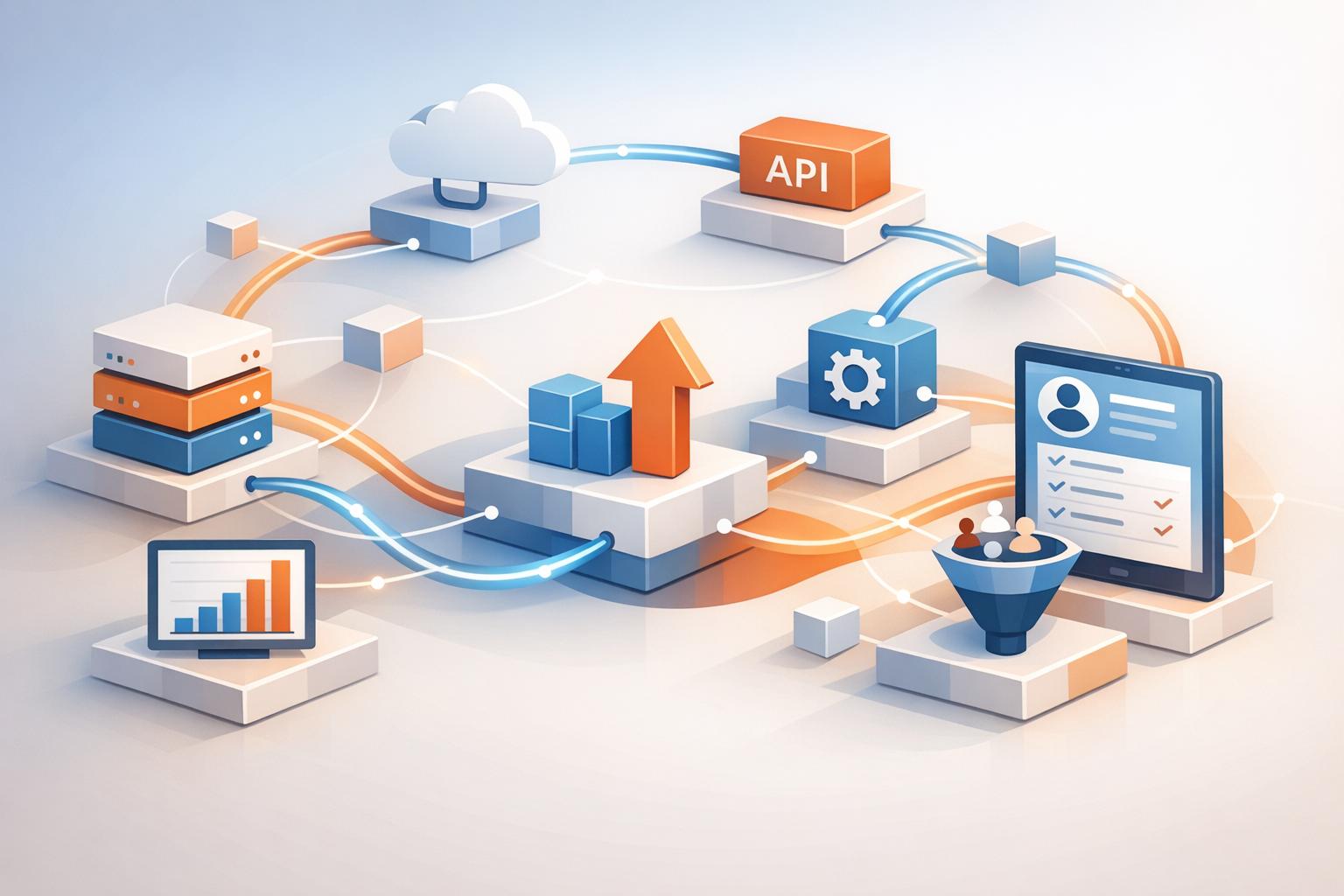
White label lead generation SaaS is transforming how businesses approach sales in 2026.
Here’s why it’s a big deal:
- Faster to Market: Launch in 2–8 weeks instead of 6–18 months.
- AI-Powered Efficiency: Automates lead research, scoring, and routing, cutting sales rep workload and boosting conversion rates by 62%.
- Cost Savings: Reduces cost-per-lead by 40% and increases lead quality by 27%.
- Growth Potential: The white-label marketing industry is projected to hit $99 billion this year.
SalesMind AI is a standout option, offering tools like AI-driven outreach, CRM integration, and full branding customization. Agencies leveraging white-label platforms report 42% higher client retention rates and generate $100,000+ in monthly pipeline value.
If you want to scale quickly, improve lead quality, and stay competitive, now is the time to explore white-label SaaS solutions.

White Label Lead Gen SaaS Key Statistics and Benefits 2026
Market Trends Driving White Label SaaS Growth in 2026
AI-Driven Sales Automation
AI has become a game-changer for sales automation, taking on tasks that once required human effort. For instance, AI-powered Sales Development Representatives (SDRs) can now autonomously handle prospecting and booking meetings, managing over 1,000 contacts daily - far surpassing the 50 to 100 contacts typically handled by human SDRs. This efficiency translates to cost savings of up to 83% [12].
A key innovation in this space is "Lead Scoring 2.0." Unlike traditional static scoring systems, AI now provides real-time decision signals, pinpointing the exact reasons why a prospect is ready for outreach [10]. By enriching leads with live data from multiple sources, AI SDRs have been shown to improve email response rates by 50%, achieving an average response rate of 12% compared to 8% for their human counterparts [12].
"AI handles the heavy lifting in the middle (analysis, enrichment, scoring), while humans guide the strategy upfront and make the final decisions at the end."
– Ken Roden, as cited in Dealfront [13]
The market for white label marketing automation is thriving, valued at $4.2 billion with an annual growth rate of 38% [4]. Advances in multimodal intelligence now enable AI to process text, voice, and visual inputs, paving the way for AI voice agents that can engage in natural, conversational sales interactions [11][1]. White label platforms leverage this technology under custom branding, ensuring seamless integration with a business’s identity [1].
These advancements underline the potential of AI-driven tools to scale and adapt to the unique needs of businesses.
Demand for Scalable and Customizable Solutions
Businesses today demand tools that can scale efficiently without requiring additional staff. White label SaaS platforms meet this need by offering scalable solutions that allow companies to handle increased lead volumes without adding extra resources [1]. This flexibility is particularly useful during seasonal peaks, marketing campaigns, or when entering new markets [6].
Customization has emerged as a critical factor in client retention. White label platforms offering deep customization options can boost client retention rates by 31% [1]. Maintaining consistent branding across all customer interactions can also increase revenue by up to 23% [1]. A notable example comes from a Denver-based digital agency that, in July 2025, used a white label AI solution to increase lead conversions by 20%, generate $745,000 in gross revenue, and achieve 100% client retention [2].
The rise of no-code and low-code platforms is further accelerating this trend. These platforms use visual interfaces, enabling non-technical teams to deploy advanced AI tools and dashboards without needing coding expertise [9][2]. This is significant, as 81% of marketing automation deployments require custom workflows [4]. Additionally, white label platforms can typically be launched in just 2 to 8 weeks, a stark contrast to the 6 to 18 months required for custom-built systems [1].
The combination of scalability and customization makes white label SaaS platforms an attractive option for businesses looking to streamline operations and enhance customer experiences.
CRM and Outreach Integrations
Seamless integration of tools is another major factor driving the efficiency of sales teams. On average, sales representatives spend only 28% of their time actively selling, with the rest consumed by "tab fatigue" and managing fragmented data across disconnected systems [7]. Integrated tools address this issue by creating unified workflows where lead discovery, enrichment, and engagement happen seamlessly [7].
"The main challenge isn't data scarcity - it's managing it."
– Alex Marshall, Sales Enablement Strategist, Nimble [7]
Modern platforms use REST APIs and webhooks to unify workflows, serving as a single source of truth that reduces friction between sales and marketing teams [1][8]. For example, in 2025, a leading mortgage lender adopted AI-powered lead generation tools to meet high demand. By automating follow-ups and personalizing outreach across multiple channels, the company doubled its lead response times and closed deals faster [3].
The white label CRM market is growing rapidly, with an estimated value of $2.8 billion and a 34% annual growth rate as of 2025 [9]. These platforms now integrate beyond email, incorporating LinkedIn messaging automation and AI-driven call talking points into standard workflows [3]. Additionally, dynamic enrichment features trigger outreach based on live technographic and behavioral signals, further enhancing sales efficiency [8].
$100,000 From White-Labeling THIS Software?! (How to Do It!)
How SalesMind AI Powers White Label Lead Generation
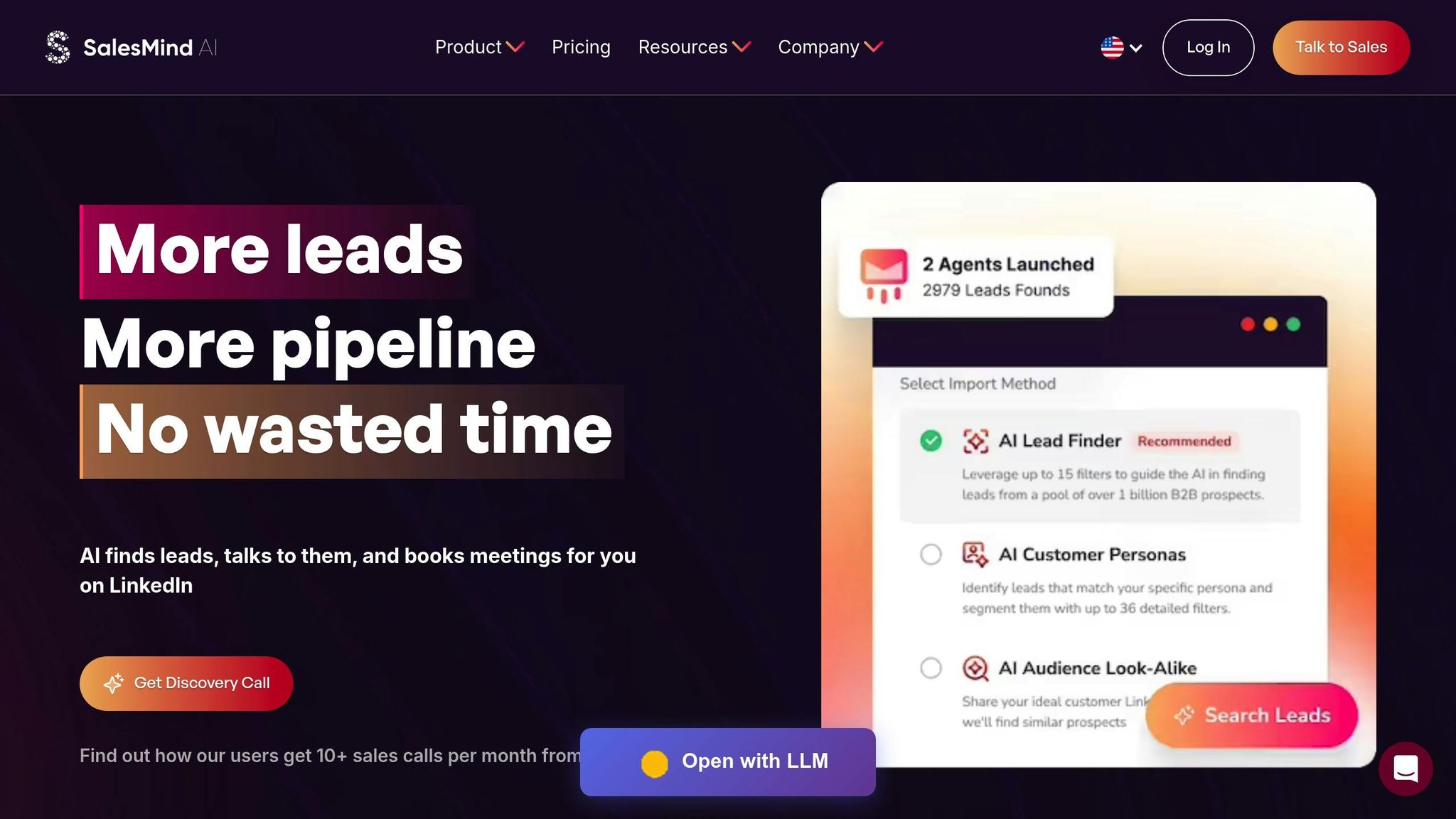
SalesMind AI addresses scaling challenges by offering a white-label SaaS platform that agencies can seamlessly rebrand. This includes custom logos, colors, messaging, and even a branded subdomain, making it a perfect fit for the 2026 demand for speed, personalization, and AI-driven performance [14][17]. By eliminating the need for in-house development, agencies can launch a fully branded SaaS platform in just 7–14 days [14][17]. Its powerful features are designed to deliver real, measurable improvements in lead generation.
Core Features and Benefits
SalesMind AI stands out with features that drive results. A unified inbox consolidates LinkedIn, email, WhatsApp, and Telegram conversations, while AI-generated replies streamline communication [16]. Cloud automation enables outreach to over 1,000 prospects daily, using natural interaction simulations to avoid LinkedIn detection [14][16].
The results speak for themselves. Users report reply rates ranging from 42% to 55% and LinkedIn connection acceptance rates of 40% [14][16]. With access to a knowledge base of over 1 billion B2B contacts, agencies using the platform generate an average of $100,000 in pipeline value per month. In one case, a single implementation produced $385,000 in pipeline value in just one month [14][16].
"The results were sometimes almost too good - connection rates and responses were way above what I expected."
– Nick Heijman, CEO, ExtractTech [14]
The platform integrates natively with Salesforce, HubSpot, and Pipedrive, while also supporting Zapier for additional connectivity [16]. It offers advanced features like MBTI personality insights and predictive lead scoring to identify high-potential prospects [14][16]. White-label partners benefit from dedicated account managers and personalized setup assistance [16].
Pricing Plans Overview
| Plan | Target User | Key Features | Starting Price |
|---|---|---|---|
| Starter Agent | Individual entrepreneurs and small teams | Basic LinkedIn automation, AI messaging, cloud-based outreach, 7-day free trial | $69/month |
| Turbo/Business Agent | Scaling agencies and professional operations | Advanced AI personalization, unified inbox, multichannel support, 6-month term options | Custom quote |
| Enterprise | Large sales teams and high-volume agencies | Unlimited LinkedIn accounts, full white-labeling, priority support, API access, dedicated account managers | Custom quote |
SalesMind AI has earned top ratings across platforms, including 4.7/5 on G2, 4.4/5 on Trustpilot, and 5/5 on the Chrome Store [15]. For agencies requiring full UI customization, a setup fee of $2,000–$5,000 may apply [16].
"What ultimately made me choose SalesMind was the service."
– Camilo Cardoso, CEO, Monomo [14]
sbb-itb-817c6a5
How to Implement SalesMind AI White Label SaaS
Getting started with white-label lead generation doesn’t have to be a lengthy or complex process. With SalesMind AI, you can quickly integrate and start optimizing your operations. Here’s a step-by-step guide to make it happen.
Step 1: Assess Your Business Needs
Start by evaluating your workflow to pinpoint areas where manual tasks are slowing you down. Define your revenue goals and focus on the KPIs that matter most - whether it’s monthly qualified leads, pipeline value, or conversion rates. Don’t forget to review your existing tech stack to ensure smooth integration and compliance with regulations like GDPR and CAN-SPAM [1].
Consider your target audience carefully. If you’re catering to a specific niche, hyper-personalization is key, often achieved through AI lead generation prompts [19]. Reducing data silos by consolidating tools can also improve efficiency [3]. Additionally, crunch the numbers - model your pricing structure and profit margins to ensure the platform supports scalable lead generation without increasing overhead [1].
| Assessment Step | Key Focus Area | Desired Outcome |
|---|---|---|
| Workflow Audit | Identify manual bottlenecks | Streamlined operations |
| KPI Mapping | Align with revenue goals | Measurable ROI for clients |
| Stack Inventory | Integration & compliance | Smooth data flow; regulatory safety |
| Financial Modeling | Pricing & profitability | Scalable, efficient lead generation |
| Audience Analysis | Niche focus | Higher conversions through relevance |
"Keeping up with demand in this increasingly competitive landscape wouldn't be possible without technology. We want to give our loan officers the tools and the data that they need to advise customers and to execute, especially on lead conversion." – Gemma Currier, Senior Vice President of Retail Sales Operations, Guild Mortgage [3]
Step 2: Customize White Label Branding
Once you’ve assessed your needs, it’s time to refine your branding. SalesMind AI makes this easy - no coding required. Upload your logo, set your color scheme, configure custom domains (e.g., app.youragency.com), and add branded email headers [1][14]. Consistent branding across all touchpoints can boost revenue by 23% [1].
Take advantage of pre-built templates for landing pages and explainer videos to maintain a cohesive look and feel across all channels [18]. You can also set up role-based permissions to control access for team members and clients, ensuring secure workflows and avoiding accidental changes to global settings [14]. Additionally, create a branded help center and in-app chat support that seamlessly aligns with your company identity [14]. The goal? Make the technology feel like it’s tailor-made for your business [1].
Step 3: Integrate Tools and Launch Campaigns
With branding in place, shift your focus to integrating tools and launching campaigns. Review your current marketing software and data. SalesMind AI offers native integrations for platforms like Salesforce, HubSpot, and Pipedrive, or you can connect via Zapier to access a wide range of third-party apps [16]. Standardize contact fields to prevent issues like broken merge tags [1].
Centralize all prospect interactions by connecting LinkedIn, email, WhatsApp, and Telegram into the unified inbox. Before going live, run parallel tests for one week using the platform’s visual journey builder to validate timing, personalization, and deliverability [1]. Define KPIs for each tool to avoid scope creep, and leverage AI-powered lead scoring and automated follow-ups to save up to 50 hours per user each month [20].
Step 4: Monitor and Optimize Performance
Once your campaigns are live, keep a close eye on performance. Track connection and reply rates, refine lead scoring, and adjust outreach cadences based on the data you collect [14][16]. Use the unified inbox to review conversations and identify messaging patterns that resonate with prospects. The platform’s predictive lead scoring can help you focus on the most promising leads [14][16]. Over time, this data will be key to scaling your operations effectively.
Strategies to Maximize Revenue with White Label Lead Gen SaaS
Bundle SalesMind AI with Existing Services
Pairing white label lead generation software like SalesMind AI with your current services creates fresh revenue opportunities. A smart approach is to offer customized industry bundles. For example, real estate clients might benefit from combining SalesMind AI with CRM tools and virtual tour services. Healthcare providers could see value in bundling it with patient management systems. And for e-commerce businesses, pairing lead generation software with inventory management and customer support tools is a winning combination [22].
This bundling strategy not only speeds up market readiness but also allows you to increase profit margins by adding human-led services. Think strategic consulting, sales training, or dedicated account management - these extras justify premium pricing [22]. Plus, maintaining consistent branding across all these services strengthens client relationships and drives long-term growth [1].
By building on this strategy, targeting agencies offers even more revenue potential.
Target Agencies for Reselling Opportunities
Reselling to agencies is another way to boost revenue. Marketing and sales agencies, in particular, need tools that feel like their own while delivering measurable results for their clients. SalesMind AI’s white label features - such as custom domains, logos, and color schemes - make it easy for agencies to brand the platform as their proprietary solution, all at no additional cost [14].
The results speak for themselves. Agencies using SalesMind AI are 3.7x more likely to hit their sales targets [23]. The platform’s AI-powered lead generation delivers a 50% increase in sales-ready leads while cutting customer acquisition costs by up to 60% [5]. For even greater impact, agencies can tailor the platform to niche industries like finance or healthcare by customizing lead qualification frameworks and AI-driven conversation flows. This level of personalization creates a standout experience that supports premium pricing [1].
With SalesMind AI’s flexibility and proven effectiveness, agencies can unlock significant revenue growth.
Use AI Trends for Competitive Advantage
AI is reshaping the B2B landscape. According to Gartner, 85% of B2B interactions will involve AI by 2026 [5]. AI-qualified leads already convert at 2.4x the rate of traditionally qualified leads [1], and SaaS-based lead generation systems often reduce cost-per-lead by 40% [1].
To make the most of these trends, adopt an AI-human hybrid model. Use AI for tasks like research, list building, and initial personalization - this can save sales reps over 11 hours a week [5]. With more time freed up, your team can focus on high-value activities like deal strategy and relationship building. Personalized cold emails, for instance, see 32% higher response rates than generic ones [23]. Outbound deals sourced this way are typically 50% larger than inbound deals [23]. And with SalesMind AI, users generate an average of $100,000 in pipeline value per month [14][21], proving the revenue potential of combining AI efficiency with human expertise.
Conclusion
The white label SaaS market is on track to reach a staggering $99 billion by 2026 [6], and it’s reshaping how businesses operate. With AI-driven automation cutting lead response times from hours to mere seconds, the way companies capture and convert B2B prospects is evolving rapidly [8]. By adopting white label SaaS, businesses can launch 35% faster without enduring the typical 6–18 months of development [1].
Take SalesMind AI, for example. This platform enables businesses to roll out a fully branded, AI-powered solution in less than two weeks. It combines LinkedIn outreach and cold email automation, and CRM integration to drive engagement and grow sales pipelines significantly [14]. From AI-powered personalization to in-app support, it handles the technical complexities under your brand, freeing you to focus on scaling your business. The results speak for themselves - quick implementation can lead to game-changing outcomes.
To get started, evaluate your business needs, customize your branding, integrate tools you already rely on, and track performance to scale effectively. Whether you bundle SalesMind AI with your services or target agencies as resellers, leveraging AI can help you outpace competitors still stuck in manual processes. Aligning these steps with current market trends positions your business as a leader in the evolving sales tech space.
"2026 will not wait for agencies that stay stuck in legacy models. If you're relying solely on in-house teams, you may be limiting scalability, agility and profitability."
- IMSnhance [6]
Adopting white label SaaS for lead generation today can lower your cost-per-lead by 40% [1] and boost client retention by 42% [6]. It’s a smart move to scale without increasing headcount. The time to act is now - position your business to thrive in this transformative landscape.
FAQs
How does AI enhance lead generation in white-label SaaS solutions?
AI plays a crucial role in boosting lead generation for white-label SaaS by simplifying tasks that often eat up valuable time, such as prospecting, lead scoring, and follow-ups. It allows businesses to scale personalized outreach, enrich lead data for sharper targeting, and automate repetitive workflows. This frees up teams to concentrate on what truly matters - closing deals.
By leveraging AI, companies can pinpoint high-quality prospects more quickly and with greater accuracy, boosting efficiency and delivering better outcomes. It’s a game-changer for businesses aiming to scale their lead generation efforts while cutting down on manual labor.
What customization options do white label SaaS platforms offer for lead generation?
White label SaaS platforms give you the ability to customize a ready-made lead generation solution so it aligns perfectly with your brand and business goals. You can modify visual elements like logos, colors, fonts, and even use a custom domain. This ensures the platform feels like a seamless part of your company’s identity.
But it’s not just about appearances. You can also adjust the user interface and workflows to fit your specific needs. This might include creating custom dashboards, branded reports, or personalized metrics. On the functionality side, these platforms let you configure outreach channels - whether it’s LinkedIn prospecting, email campaigns, or CRM automation. You can even tweak messaging templates to reflect your tone and unique value proposition.
Many of these platforms also offer advanced integrations with tools you already use, like CRMs or analytics software, allowing for smooth data transfer. Some go a step further with features like predictive lead scoring or API endpoints, giving you the flexibility to enhance both the appearance and performance of your lead generation services.
Why is 2026 a game-changing year for white-label lead generation SaaS?
2026 is shaping up to be a game-changer for white-label lead generation SaaS, with the market expected to approach a staggering $99 billion. This surge is fueled by breakthroughs in AI-powered sales automation, a growing demand for scalable, customizable solutions, and a preference for cost-effective platforms that allow full brand control.
Companies are increasingly adopting white-label SaaS tools to remain competitive. Features like AI-driven LinkedIn outreach, predictive lead scoring, and smooth CRM integrations are revolutionizing how businesses handle B2B marketing. These tools not only streamline operations but also empower businesses to scale efficiently - all while keeping their brand identity front and center.
Have You Ever Experienced Sales Done by AI?